| Chinese Name | 2,2-Dimethylolpropionic Acid (DMPA) |  |
| English Name |
Dimethylolpropionic Acid Abbreviation: DMPA |
|
| Structural Formula |  |
|
| Molecular Formula |
C5H10O4 |
|
| CAS No. | 4767-3-7 | |
| Molecular Weight | 134.13 | |
| Melting Point | 178-187℃ | |
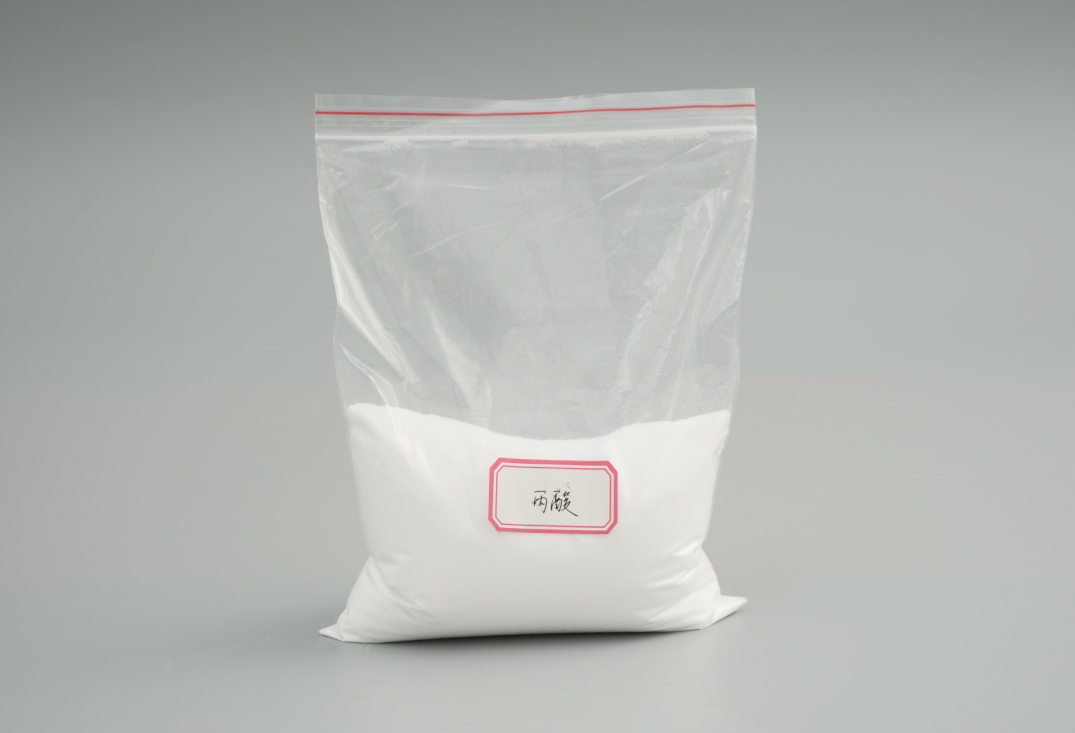
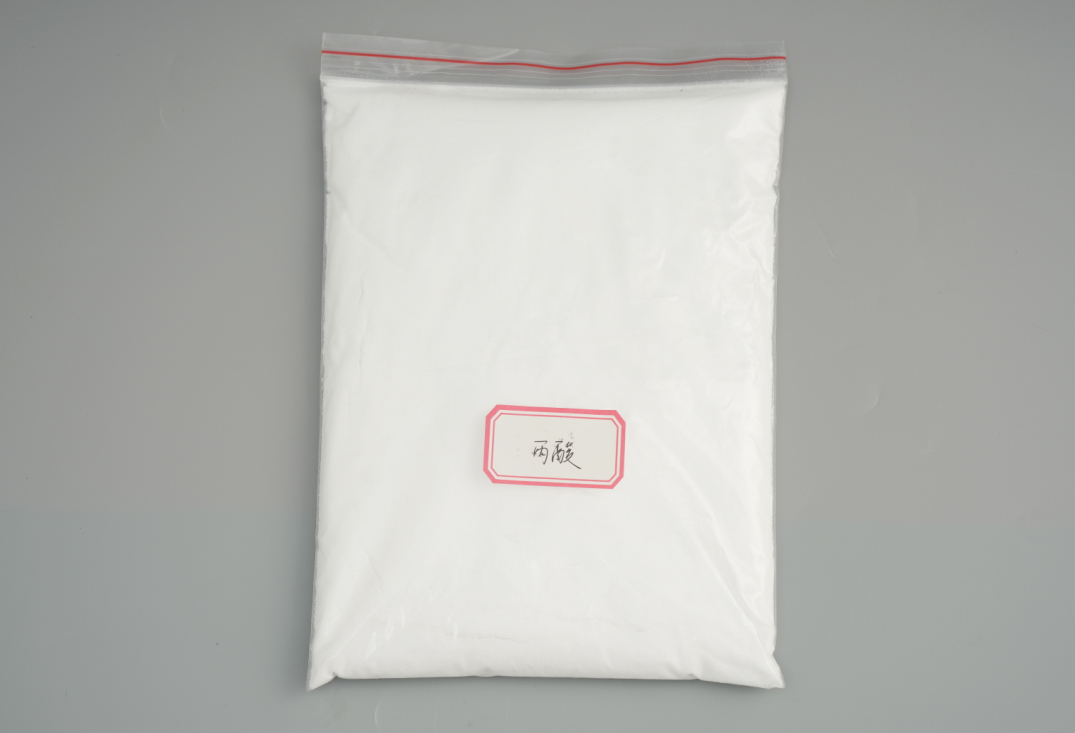
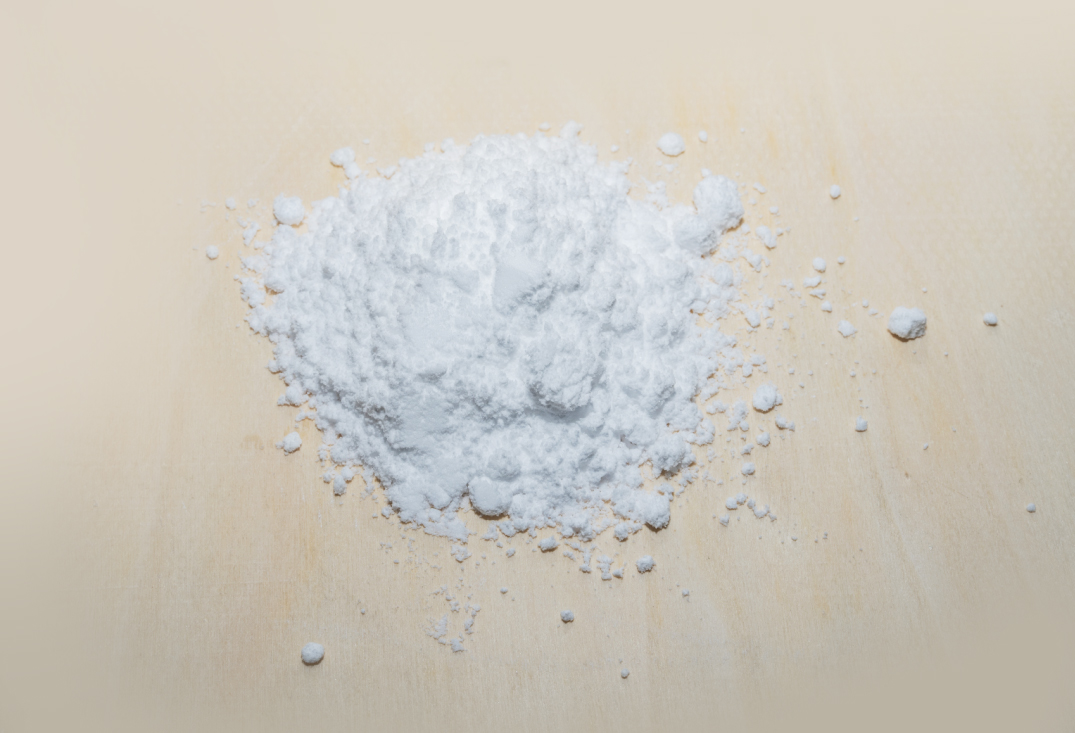
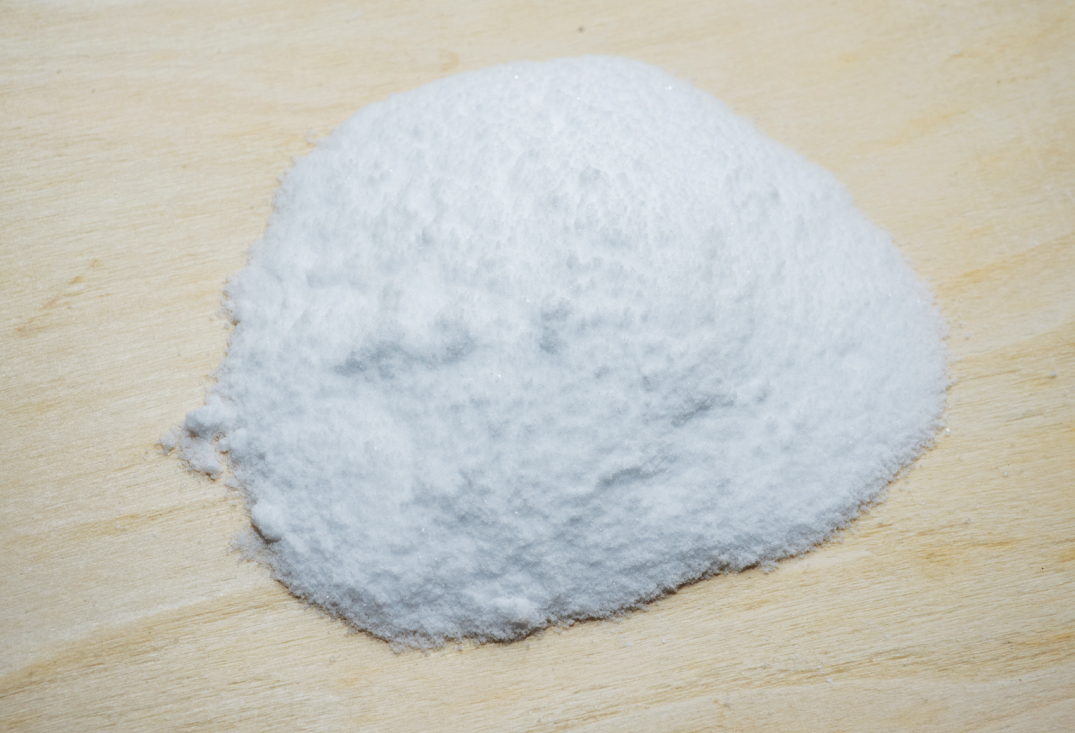
| Physical Properties | This product is an odorless, free-flowing white powder, readily soluble in water, methanol, and dimethylformamide, sparingly soluble in acetone, benzene, toluene, etc. | |
Quality Specifications
| Index | Standard |
| Appearance | White Powder |
| Content (%) | ≥99.0 |
| Water (%) | ≤0.3 |
| Neutralization Equivalent | ≤141.0 |
| Melting Point (℃) | 178-187 |
| Ash (%) | ≤0.03 |
| Residue Formaldehyde (%) | ≤0.03 |
| Acid Value (mgKOH/g) | 405-425 |
| Hydroxyl Value (mgKOH/g) | 810-860 |
| Fe3+ (PPM) | ≤5 |
| Na+ (PPM) | ≤150 |
| Acetone-Et3N Soluble Experiment | Transparent |
| Applications |
DMPA is a unique multifunctional hindered diol molecule with both hydroxyl and carboxyl groups. As a chain extender and hydrophilic agent, DMPA has been widely used in the production of waterborne coatings, adhesives, and leather finishes in waterborne polyurethane systems. |
|
| Packaging | 25KG plastic bag plus PE bag or paper bag, or per customer requirements. | |
| Storage | Store in a sealed container in a cool, dry place. When stacking, place on 10 cm thick wooden boards and keep 50 cm away from walls. | |